Cold Storage and Walk-In Cooler Spray Foam
Temperature fluctuations kill profit margins. When cold air escapes through wall gaps or ceiling cracks, your compressors work harder to compensate for the loss.
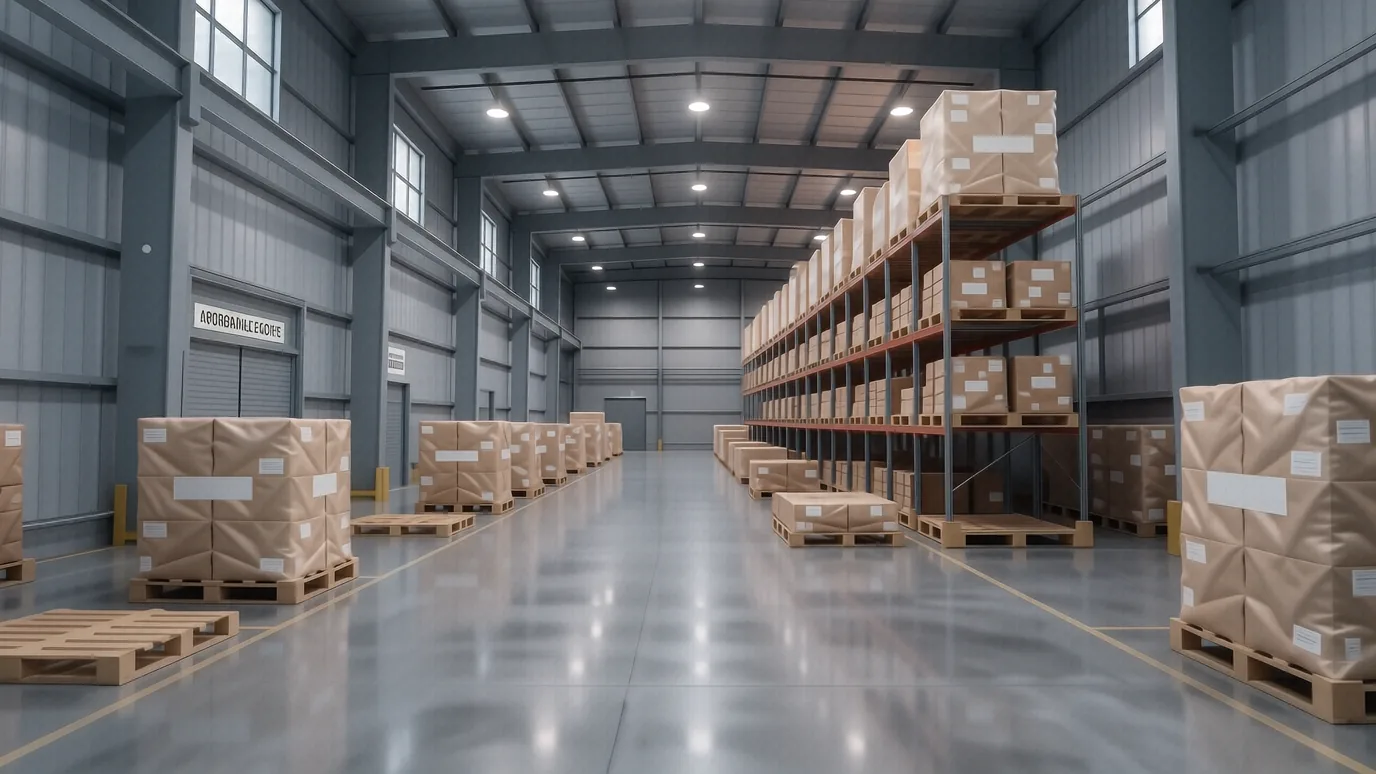
The Hidden Cost of Air Leaks in Cold Storage
Temperature fluctuations kill profit margins. When cold air escapes through wall gaps or ceiling cracks, your compressors work harder to compensate for the loss. This constant cycling increases electricity bills and shortens the lifespan of expensive cooling hardware.
Thermal bridging is a silent thief. Small gaps in insulation allow heat to penetrate deep into your storage facility because standard materials often fail at the seams. You need a seal that stops air movement entirely.
Why Standard Insulation Fails Cold Storage Facilities
Most contractors rely on fiberglass batts or rigid foam boards for cold storage insulation. These materials are decent insulators, but they do not create an airtight envelope. Air moves around them through tiny cracks and gaps at the joints.
Air infiltration ruins efficiency. If warm air leaks into a walk-in cooler, moisture enters the space and creates ice buildup on your evaporators. This ice forces you to run defrost cycles more frequently, which wastes energy and disrupts temperature stability.
Biosecurity is another major concern for agricultural integrators. A facility with poor seals allows pests like darkling beetles or rodents to enter through structural gaps. In a 2005 University of Georgia newsletter, researchers demonstrated how even small penetrations allow insect movement into controlled environments.
Sealant integrity matters. AireBarrier Black/White provides the airtight seal that traditional insulation lacks.
The Ag-Tite Solution for Controlled Environments
We do not recommend using standard spray polyurethane foam (SPF) for every agricultural application. Many competing products have low density and can degrade over time when exposed to specific humidity levels.
Ag-Tite uses a different approach. Our Soy Bio Sealant and AireBarrier chemistries are designed for high-performance sealing. The Auburn University study validated that our products can lead to 25-40% energy savings in broiler barns, a principle that applies directly to the thermal management of cold storage.
Density is a key differentiator. Our tested density reaches approximately 1.5 lb/ft³, which is twice the density of many competing polyurethane products on the market today. This density ensures the material stays put and maintains its structural integrity under thermal stress.
It works hard. The sealant fills every nook, cranny, and seam to create a monolithic barrier against heat transfer.
Application Methods: SprayPod 2.0 vs. Manual Application
Large-scale cold storage requires speed and precision. If you are retrofitting a massive warehouse, manual caulking is impossible. You need equipment that can handle high volumes without losing consistency.
Our SprayPod 2.0 portable equipment allows contractors to apply sealant efficiently in tight spaces. This system provides the pressure needed for a uniform coat, which prevents “holidays” or missed spots in the insulation layer.
Small walk-in coolers require different tools. For smaller repairs or localized sealing around door frames and utility penetrations, we offer 24 oz cans. One 24 oz can yields approximately 3,000 linear feet of a 1/4″ bead. If you have a larger project, a 16 lb canister is more efficient, as it is equivalent to roughly ten of the 24 oz cans.
Precision prevents waste. Using the right tool ensures you do not over-apply product or leave gaps that compromise the thermal envelope.
Calculating ROI and Leveraging USDA Grants
Investing in cold storage insulation is a capital expense, but it pays for itself through lower utility bills. You should view this as an operational cost reduction rather than just a building repair.
ROI varies by region. In high-humidity states like Georgia or Alabama, the savings from reduced dehumidification loads are often higher than in drier climates. While we cannot promise specific dollar amounts, the Auburn study’s 25-40% energy saving range provides a realistic baseline for your projections.
The USDA REAP (Rural Energy for America Program) grant can significantly offset these costs. This program offers up to 50% cost-share for energy efficiency improvements in agricultural facilities.
Watch the deadlines. Application windows typically close on March 31, June 30, and September 30 each year.
Common Mistakes in Cold Storage Insulation Projects
The biggest mistake is ignoring the seams. Contractors often spray foam over existing insulation without sealing the gaps between the panels first. This creates a “sandwich” of air pockets that allows heat to bypass your expensive new material.
Another error involves using non-rated materials. Fire safety is critical in commercial cold storage, especially when electrical components are nearby. Ag-Tite is the only agricultural sealant tested to meet ASTM E-84 standards for flame spread and smoke development.
Do not rush the cure. If the ambient temperature or humidity is outside the specified range during application, the chemical bond may fail.
Check your work. Always perform a thermal scan after installation to ensure there are no hot spots or leaks in the envelope.
What to Ask When Requesting an Insulation Quote
Do not accept the lowest bid without asking technical questions. Many contractors will quote you based on volume rather than performance, which leads to thin, ineffective coatings.
Ask these four questions:
- “What is the density of the foam being applied?” (Look for at least 1.5 lb/ft³).
- “Is the product ASTM E-84 fire rated?”
- “Does your application method include sealing the seams between existing panels?”
- “Can you provide documentation of energy savings from similar agricultural applications?”
If they cannot answer these, they are likely a general painter or a standard SPF installer, not a specialized agricultural insulation contractor.
Get specifics. Vague answers usually mean they lack the technical training required for high-performance sealing.
Real-World Considerations: Moisture and Expansion
Cold storage environments undergo constant thermal cycling. Materials expand and contract as temperatures shift between summer highs and refrigeration lows.
Rigid materials often crack during these cycles. Our sealant remains flexible enough to move with the structure without losing its airtight seal. This prevents the “micro-cracking” that allows moisture to seep into your walls.
Moisture control is vital for long-term structural health. If water gets behind your insulation, it can lead to rot or mold in wooden structures and corrosion in metal buildings. A continuous air barrier stops this cycle before it starts.
Check your seals regularly. Annual inspections of door gaskets and utility penetrations can prevent small leaks from becoming massive energy drains.
For more information on specific product specs, view our technical data sheets.
FAQ
How much coverage does one gallon of AireBarrier provide?
At a 1″ thickness, AireBarrier yields approximately 16 board-feet per gallon. This makes it highly efficient for sealing large surface areas that require a consistent thermal barrier.
Can I use this sealant to stop pests in my cold storage?
Yes. By creating an airtight seal, you eliminate the entry points used by insects and rodents. Our chemistry helps maintain biosecurity by closing the gaps that standard insulation leaves open.
Is Ag-Tite sealant fire-safe for commercial use?
Ag-Tite is the only agricultural sealant tested to meet ASTM E-84 standards. This testing ensures it meets strict requirements for flame spread and smoke development in building materials.
How can I get help paying for this insulation?
You should look into the USDA REAP grant program. It provides up to 50% cost-share for energy efficiency upgrades, with application windows on March 31, June 30, and September 30.