Rusty Grain Bin Repair vs Replace: A Cost Analysis
A rusted floor or wall panel in a grain bin is more than an eyesore. It represents a breach in your storage security.
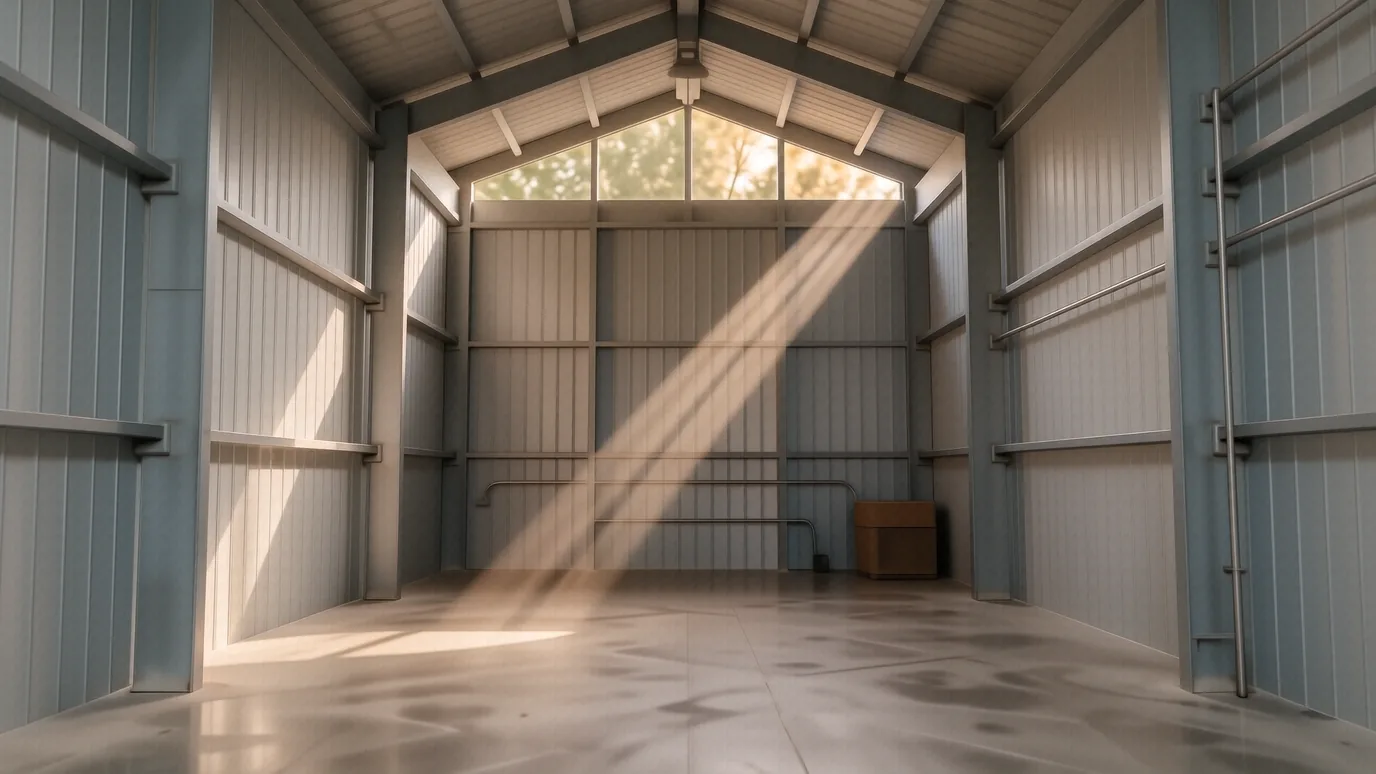
Assessing the true cost of rusty grain bin repair
A rusted floor or wall panel in a grain bin is more than an eyesore. It represents a breach in your storage security. Small pinholes allow moisture to enter, which leads to mold and spoilage. Larger structural failures can cause a total bin collapse during a heavy fill. You face a difficult choice between patching the existing steel or buying a new unit.
Deciding between repair and replacement requires looking past the initial sticker price. A cheap patch might fail in two seasons. A new bin carries high upfront capital costs but offers long-term reliability.
Repair vs. Replace: Side-by-Side Comparison
| Feature | Rusty Grain Bin Repair | Full Bin Replacement |
|---|---|---|
| Upfront Capital | Low to Moderate | High |
| Labor Intensity | High (manual patching) | Very High (demolition/install) |
| Lifespan Extension | 3–7 years (conditional) | 20+ years |
| Structural Integrity | Variable | Guaranteed |
| Pest Resistance | Moderate | High |
| Moisture Control | Difficult to perfect | Superior |
Choosing a repair path depends on the severity of the oxidation. If rust is localized to the base or specific seams, sealing may work. However, if the steel has lost its thickness through pitting, no sealant can fix the structural weakness.
When Repair Wins: Targeted Maintenance
Repairing a bin makes sense when the corrosion is superficial or concentrated in non-structural areas. You might see rust around bolt holes or at the junction of the wall and floor. In these cases, cleaning the surface and applying a high-performance sealant can extend the bin’s life.
Using AireBarrier Black allows you to seal small leaks without replacing entire sheets of galvanized steel. This method is effective for stopping air infiltration that drives moisture into the grain mass. It works well for bins that are still structurally sound but have lost their airtight seal.
Repairing saves money on immediate cash flow. It keeps your existing footprint intact.
When Replacement Wins: Structural Failure
Replacement is the only option when “rust-through” occurs in load-bearing sections. If you can poke a screwdriver through a panel, the steel is gone. You cannot rely on surface treatments to hold back the lateral pressure of thousands of bushels of corn.
New bins offer better protection against biological threats. A 2005 University of Georgia newsletter highlighted how darkling beetles penetrate even small gaps in storage structures. A new, well-sealed bin prevents these pests from entering your inventory. If your current bin has multiple failure points, the labor costs for repeated repairs will eventually exceed the cost of a new unit.
New steel provides peace of mind. You stop managing leaks and start managing grain.
The Real Cost Breakdown
Do not look at only the invoice for the new steel. You must calculate the total cost of ownership over five years.
A repair might cost $2,000 in materials and labor today. If that repair fails in three years, your total spend is $4,000 plus the cost of lost grain due to spoilage. A new bin might cost $15,000 upfront. However, if it lasts 20 years with minimal maintenance, the annual cost is only $750.
Consider the “hidden” costs of a failing bin:
- Shrinkage: Moisture ingress causes grain weight loss.
- Labor: Time spent inspecting and patching bins is time taken away from the field.
- Equipment: Using a SprayPod 2.0 for large-scale sealing projects requires an initial investment or rental fee.
Estimated Cost Comparison Table
| Expense Category | Patching Strategy (5-Year View) | Replacement Strategy (5-Year View) |
|---|---|---|
| Initial Outlay | $1,500 - $3,000 | $12,000 - $25,000 |
| Maintenance/Repairs | $2,000 (repeated patches) | $200 (routine cleaning) |
| Grain Spoilage Risk | High | Low |
| Total Estimated Cost | $3,500 + spoilage losses | $12,200 - $25,200 |
Decision Framework: The Three-Point Test
Before you commit to a repair, run your bin through this three-point check.
First, check the thickness of the steel. Use a digital caliper on areas near the rust. If the metal has thinned by more than 25%, the structural integrity is compromised. Second, inspect the floor seams. A leaking floor is much harder to fix than a wall leak because of the constant weight and friction of moving grain. Third, evaluate your pest pressure. If you are already seeing high beetle counts, a leaky bin is an open door for infestation.
If the bin fails two of these three tests, replace it.
Recommended Approach: The Hybrid Strategy
For many producers, the best move is a hybrid approach. You replace the most critical structural components and use advanced sealants to protect the remaining healthy steel. This maximizes your ROI by preventing future rust on the older sections.
We recommend using Soy Bio Sealant for organic or sensitive storage environments where low odor is required. For standard grain bins, applying a heavy bead of AireBarrier to seams and bolt holes can stop the oxidation process in its tracks.
This strategy balances capital expenditure with long-term durability. It allows you to keep using your current assets while hardening them against the elements.
Maximizing Your Investment with USDA REAP
If you decide that replacement is necessary, look into the USDA Rural Energy for America Program (REAP). This program offers cost-share grants of up to 50% for energy efficiency improvements. While a new bin isn’t always categorized as an “energy” upgrade, improving the airtightness of your storage can often qualify under certain project scopes.
Keep an eye on application windows. They typically close on March 31, June 30, and September 30. Applying for these funds before you purchase your new bin can significantly lower your net cost.
For more information on sealing large-scale agricultural structures, see our guide on poultry barn insulation.
FAQ
How much rust is too much for a repair?
If the rust has caused pitting that penetrates the metal or if the steel feels thin and brittle, you must replace the panel. Surface oxidation can be treated, but structural thinning cannot be reversed with sealants.
Can I use standard silicone to fix a grain bin?
Standard silicone is not designed for the extreme temperature swings and heavy pressures found in grain storage. We recommend using specialized products like AireBarrier that are formulated for agricultural environments and meet specific fire safety standards, such as ASTM E-84.
Will sealing my bin stop darkling beetles?
Sealing helps significantly by closing the entry points. A 2005 University of Georgia newsletter demonstrated how these pests exploit small gaps in storage structures. While sealing is not a substitute for integrated pest management, it removes their primary way into the grain.
How long does an AireBarrier seal last?
When applied correctly to a clean, prepared surface, our sealants are designed to withstand years of environmental stress. The exact lifespan depends on the substrate condition and the severity of the local climate.