Grain Elevator Headhouse Sealing: Energy + Safety
Grain elevator headhouses act as the lungs of your storage system. They pull air through massive amounts of grain and equipment, which creates significant pressure
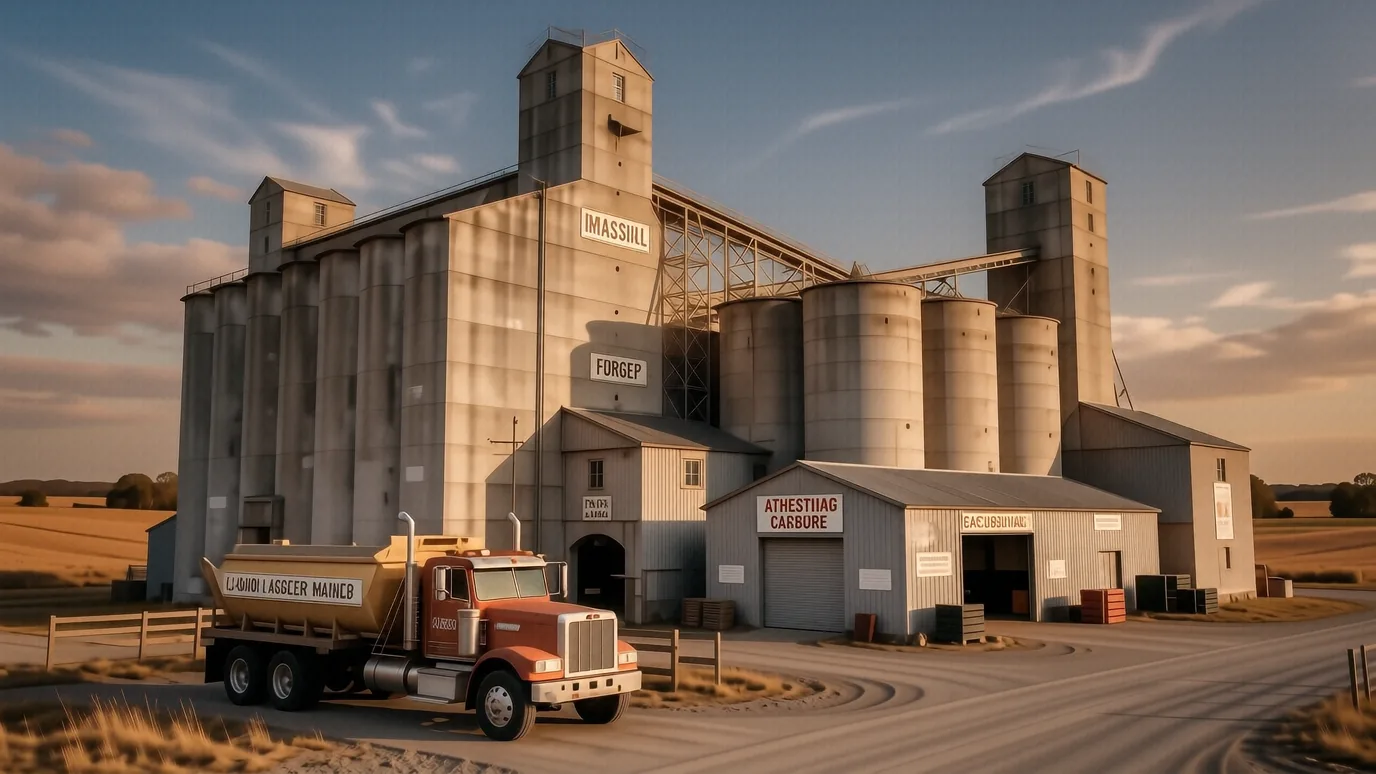
The Cost of Air Leaks in Grain Headhouses
Grain elevator headhouses act as the lungs of your storage system. They pull air through massive amounts of grain and equipment, which creates significant pressure differentials. If the structure is not airtight, you lose conditioned air and invite unwanted pests. This leakage drives up utility bills and compromises the integrity of your stored product.
Leaks are expensive. When a headhouse fails to maintain its seal, the resulting energy loss impacts your bottom line immediately.
Structural Challenges in Grain Storage
Headhouses face extreme environmental stress. Temperature swings cause metal panels to expand and contract daily. This movement creates gaps around hatches, conveyor transitions, and structural seams. These openings allow moisture to enter and heat to escape.
Moisture is a threat. Uncontrolled humidity inside the headhouse can lead to condensation on metal surfaces, which eventually causes corrosion or mold growth in the grain below.
Biosecurity remains another critical concern for modern operations. A single gap in a seal provides an entry point for darkling beetles or rodents. In 2005, a University of Georgia newsletter detailed how these pests penetrate even small structural openings to reach grain supplies.
Pests move fast. If your headhouse isn’t airtight, you are essentially leaving the door open for infestations that can ruin entire batches of corn or wheat.
The Ag-Tite Solution for Grain Elevator Sealing
We recommend AireBarrier Black/White for these applications. This patented chemistry creates a continuous, monolithic barrier that moves with the building. Unlike traditional caulks, it does not shrink or crack when the metal panels shift during seasonal temperature changes.
It is highly durable. Because the product maintains its bond under thermal stress, it prevents the recurring maintenance cycles common with cheaper sealants.
Density matters for long-term performance. Our Auburn-tested density reaches approximately 1.5 lb/ft³, which is twice the density of many competing polyurethane products on the market today. This thickness ensures that the seal remains intact even under high wind loads or internal pressure shifts.
Strength is built in. The material creates a physical block that air and pests cannot bypass.
Safety is also improved through fire resistance. Ag-Tite is the only agricultural sealant tested to meet ASTM E-84 standards for flame spread and smoke development. This certification provides an extra layer of protection in environments where dust explosions are a constant operational risk.
Fire safety counts. Using materials that meet these specific testing standards helps mitigate risks in high-dust zones.
Application Methods: SprayPod 2.0 vs. Manual Bead
Contractors can choose between different application methods depending on the scale of the headhouse. For large-scale commercial elevators, we utilize the SprayPod 2.0 equipment. This portable system allows for rapid coverage of large surface areas, including complex transitions around conveyor housings and catwalks.
Speed saves money. The SprayPod ensures a consistent thickness that is difficult to achieve with hand tools on high-up structures.
For smaller repairs or localized sealing around hatches, the 24 oz can is more practical. A single 24 oz can yields approximately 3,000 linear feet of a 1/4″ bead. This makes it an efficient choice for maintenance crews performing routine inspections and minor fixes.
Small jobs require precision. If you have larger projects, note that one 16 lb canister is equivalent to roughly 10 of the 24 oz cans.
Calculating ROI and Energy Savings
The return on investment for grain elevator sealing depends heavily on your local climate and utility rates. In regions with high heating or cooling costs, such as the Upper Midwest, the savings are more pronounced. While specific numbers vary by facility size, sealing a headhouse can significantly reduce the load on HVAC systems used to control internal temperatures.
Energy bills drop. Reducing air infiltration directly lowers the amount of conditioned air lost to the outside environment.
State-specific data suggests that tight envelopes pay for themselves quickly. For example, an operator in Iowa might see different utility fluctuations than one in Georgia due to humidity levels and temperature extremes. However, the baseline principle remains: less air leakage equals lower operational costs.
Money stays in your pocket. You can also look into the USDA REAP grant program to help offset these costs. These grants offer up to 50% cost-share for energy efficiency improvements, with application windows typically falling on March 31, June 30, and September 30.
Common Mistakes in Elevator Sealing
Many operators attempt to use standard construction silicone or cheap polyurethane foams to seal headhouses. These materials often fail within a single season because they lack the elasticity required for metal structures. Once the sealant cracks, the air leaks return immediately.
Don’t waste time. Using the wrong material leads to repeated labor costs and failed inspections.
Another error is ignoring the “hidden” gaps. Most crews focus on visible seams but miss the penetrations where electrical conduits or vent pipes enter the structure. These small holes are often the primary entry points for pests and moisture.
Check every hole. A comprehensive seal requires looking at every single point where a different material meets the headhouse skin.
What to Ask When Requesting a Quote
When you contact a contractor for grain elevator sealing, do not just ask for a price per foot. You need to know exactly what they are applying and how they intend to reach high areas. A low bid often hides poor material choices or insufficient coverage.
Ask specific questions. Knowing the details upfront prevents expensive surprises during the installation process.
First, ask if they use ASTM E-84 tested materials. If they cannot confirm fire-safety ratings, they may be using general-purpose sealants that are not rated for agricultural environments. Second, ask about their experience with high-pressure applications like the SprayPod 2.0.
Verify their gear. A contractor equipped with professional application tools will provide a much more consistent seal than someone using only hand guns.
Finally, request a breakdown of coverage expectations. For example, if they are using AireBarrier, you should know that it yields approximately 16 board-feet per gallon at a 1″ thickness. This helps you verify that the quoted volume of material is sufficient for the job.
Get clear answers. Detailed quotes allow you to compare different contractors on an even playing field.
FAQ
How much energy can I actually save by sealing my headhouse?
While specific savings depend on your climate and current leak levels, similar agricultural applications have shown significant results. For instance, an Auburn University study validated 25-40% energy savings on broiler barns when using AireBarrier to seal the structure.
Can this sealant stop insects from entering the grain?
Yes. Because the sealant creates a continuous, airtight barrier, it prevents small pests like darkling beetles from finding entry points through structural gaps and seams.
Does the sealant work on moving metal parts?
The material is designed to handle the expansion and contraction of metal panels. It maintains its bond during temperature shifts, which prevents the cracking common in standard caulks.
Is there financial assistance available for these upgrades?
You should look into the USDA REAP grant program. This can provide up to 50% cost-share for energy efficiency projects, provided you meet the application deadlines of March 31, June 30, or September 30.
How do I know if a sealant is safe for high-dust areas?
Look for products that have passed the ASTM E-84 fire test. Ag-Tite is currently the only agricultural sealant tested to meet this specific standard for flame spread and smoke development.