USDA REAP Grant for Spray Foam in Arkansas
Leaking air destroys poultry and swine house profitability. When heat escapes through unsealed joints, your heaters work harder to maintain bird comfort.
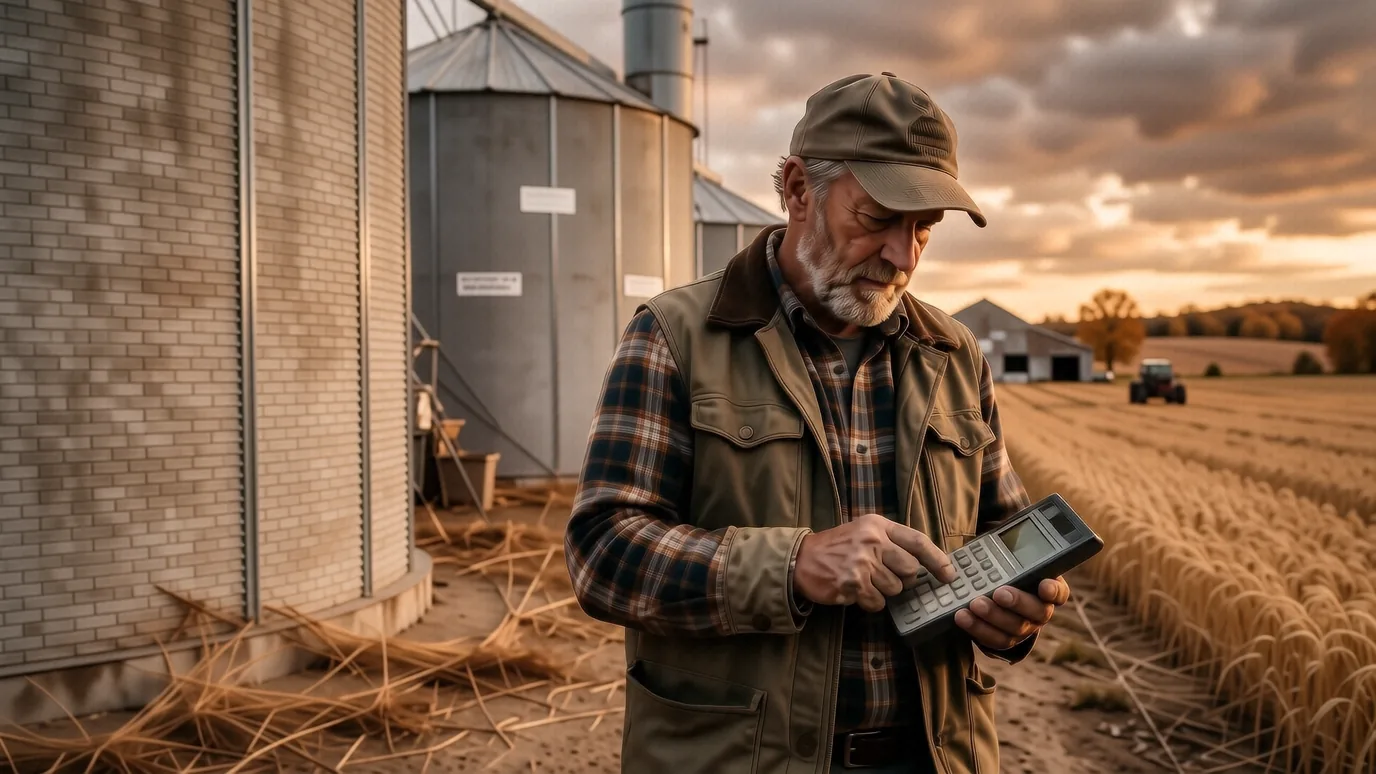
Maximizing REAP Grant Arkansas Funding for Barn Insulation
Leaking air destroys poultry and swine house profitability. When heat escapes through unsealed joints, your heaters work harder to maintain bird comfort. This inefficiency drains cash flow every single month. The USDA Rural Energy for America Program (REAP) provides a way to offset these costs by funding high-performance insulation projects.
Arkansas producers face rising utility rates. Applying for a REAP grant Arkansas can cover up to 50% of your total project costs. This program targets small businesses and agricultural producers who want to reduce energy consumption through proven technology.
Understanding the REAP Grant Structure
REAP is not a simple handout. It requires specific documentation and technical proof of energy savings. The USDA divides these grants into two categories: renewable energy systems and energy efficiency improvements. Most insulation projects fall under energy efficiency improvements.
The funding amounts vary based on your project scale. While there is no fixed cap for all applicants, the 50% cost-share limit remains the standard benchmark for most agricultural facilities. You must demonstrate that the investment will result in measurable energy reductions over time.
Success depends on preparation. Many farmers miss out because their paperwork lacks technical depth.
Eligibility for Spray Foam and Sealants
Not every insulation product qualifies for federal funding. The USDA requires evidence that your chosen method actually improves thermal performance. Traditional fiberglass batts often fail to meet these rigorous standards because they do not stop air infiltration.
AireBarrier Black/White is a specific solution designed to address this gap. Because it seals air leaks rather than just adding bulk, it provides the airtightness required for high-efficiency ratings. Auburn University validated that broiler barns sealed with AireBarrier achieved 25-40% energy savings. This data makes your application much stronger during the technical review process.
Density matters too. Auburn testing showed our sealant reaches ~1.5 lb/ft³, which is twice the density of many competing polyurethane products. High density ensures the seal stays intact under the pressure changes common in large poultry houses.
The Application Process Step-by-Step
Applying for federal funds takes time. You should begin your planning at least six months before an application window closes.
- Conduct an Energy Audit. You cannot guess your savings. Hire a professional to document current energy use and identify specific leak points in your facility.
- Select Your Technology. Choose products like Soy Bio Sealant that provide documented thermal benefits.
- Get Detailed Quotes. Ensure your contractor provides a breakdown of materials and labor. The USDA needs to see exactly how much money is being spent on energy-saving components.
- Submit the Application. Use the official USDA portal during one of the three annual windows.
The application windows close on March 31, June 30, and September 30. Missing these dates means waiting several months for the next cycle.
Typical Project Scopes That Win
Winning projects focus on “low-hanging fruit.” The USDA prefers applications where the energy savings are obvious and easy to calculate.
Sealing the building envelope is a prime candidate. This includes sealing cracks in concrete walls, joints in metal siding, and gaps around ventilation fans. Using a SprayPod 2.0 allows contractors to apply these sealants evenly across large surfaces. Uniform application prevents the “patchwork” effect that can lead to failed audits.
Focus on high-impact areas. A project targeting a single massive leak in a swine barn is often more successful than a broad, vague plan to “insulate everything.”
Stacking REAP with EQIP and State Programs
You do not have to rely on a single source of funding. Arkansas producers can often “stack” federal programs to lower their out-of-pocket costs even further.
The Environmental Quality Incentives Program (EQIP), managed by the NRCS, is a common partner for REAP. While REAP focuses on energy efficiency, EQIP often covers practices that improve environmental stewardship or animal welfare. If your insulation project also helps manage moisture and reduces ammonia levels, you might qualify for both.
Always consult with your local USDA service center first. They can tell you if a specific combination of funds is permitted for your exact location in Arkansas.
Technical Requirements and Fire Safety
Federal reviewers look for safety compliance. Using materials that meet strict fire standards adds credibility to your proposal. Our sealant is the only agricultural sealant tested to pass the ASTM E-84 fire test.
This certification proves the material won’t contribute significantly to flame spread or smoke development. In a large barn filled with organic matter, this isn’t just a technicality; it is a necessity for insurance and regulatory compliance.
Documentation of these tests should be included in your application package. It removes doubt from the reviewer’s mind regarding the long-term safety of your facility.
Calculating Your Return on Investment
A REAP grant changes the math on your upgrades. If a project costs $40,000 and you receive a 50% grant, your actual cost is $20,000.
If that project saves you $5,000 in annual heating and cooling costs, your “payback period” drops from eight years to four years. This rapid return makes it easier to justify the capital expenditure to lenders or partners. Use the Auburn University energy savings ranges (25-40%) as a starting point for your financial projections.
Don’t wait until your utility bills spike in the winter. Plan your upgrades during the off-season to align with the USDA application windows.
Check our REAP eligibility guide for more detailed breakdowns of energy efficiency standards.
FAQ
How much can I actually get from a REAP grant in Arkansas?
The USDA typically offers up to 50% of the total project cost for energy efficiency improvements. The exact dollar amount depends on your specific project scope and available federal funding for that cycle.
Does any insulation qualify for the grant?
No. The USDA requires proof of energy savings. Products like AireBarrier are effective because they provide documented air-sealing benefits, whereas standard fiberglass may not meet the necessary efficiency thresholds for a successful application.
When are the application deadlines?
There are three main windows each year. You must submit your completed application by March 31, June 30, or September 30.
Can I use REAP funds for both equipment and insulation?
Yes. REAP covers both renewable energy systems (like solar) and energy efficiency improvements (like high-performance sealants). Many producers combine these to maximize their total grant award.