How Long Does Spray Foam Smell? (And Why)
Spray foam smell lasts from a few hours to several days depending on the specific chemistry used and your ventilation setup.
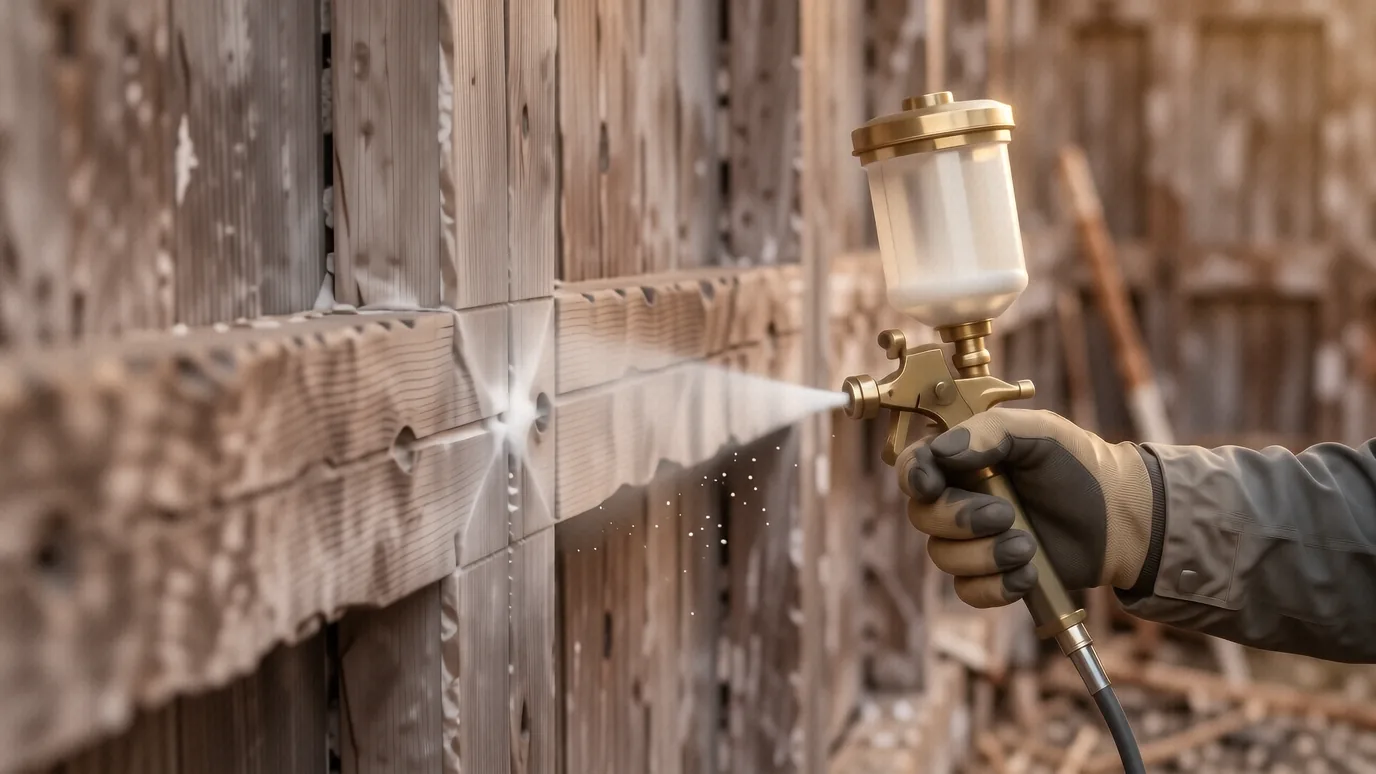
The Reality of Spray Foam Smell
Spray foam smell lasts from a few hours to several days depending on the specific chemistry used and your ventilation setup. Most standard polyurethane products release volatile organic compounds (VOCs) during the chemical reaction that creates the foam. You should not enter a building while the application is active or before the curing process completes. Once the material reaches its final state, the odor typically vanishes.
Farmers often worry about this timing because livestock cannot breathe concentrated fumes. If you are sealing a broiler barn, the window for re-entry is critical to bird health.
Why Chemical Odors Occur During Application
The smell comes from the exothermic reaction between two liquid components. When these chemicals meet inside the spray gun, they expand and harden rapidly. This process releases gases that carry the distinct scent of the raw materials.
Standard polyurethane foams often have a sharp, chemical odor. Many contractors use products that require long wait times before animals or people return to the structure.
Ag-Tite uses different chemistry for agricultural environments. Our Soy Bio Sealant utilizes plant-based components to reduce the heavy chemical profile found in traditional foams. We focus on making the application safer for sensitive environments.
The scent is a sign of active curing. If you smell nothing during application, the product might not be reacting correctly.
Factors That Influence Odor Duration
Ventilation dictates how fast fumes clear out. A barn with high-velocity fans will clear odors much faster than a sealed storage unit. You must plan your airflow before the crew arrives on site.
Temperature also plays a role in curing speed. Warm air helps the chemical reaction finish sooner, which short limits the window of odor exposure.
Humidity can change how the surface feels during the first few hours. While high humidity might slow drying, it does not necessarily increase the smell duration.
The density of the foam matters for long-term stability. Our AireBarrier maintains a density of ~1.5 lb/ft³, which is twice as dense as many competing polyurethane products. Higher density often correlates with better material stability and fewer off-gassing issues over time.
Proper airflow is vital.
Managing Smell in Livestock Facilities
Broiler barns require strict management during insulation projects. You cannot risk exposing birds to high concentrations of spray foam smell. The Auburn University study showed that AireBarrier provides 25-40% energy savings, but those savings only matter if the birds survive the application process.
Plan your timing around bird cycles. Most integrators schedule sealing during empty house periods to eliminate risk entirely.
If you must work near live animals, use specialized equipment like our SprayPod 2.0. This portable system allows for more controlled applications in tight or sensitive spaces. Controlled application reduces the amount of wasted material that can contribute to lingering odors.
Empty houses are safest.
Comparing Different Sealant Chemistries
Not all sealants are created equal. Traditional spray foams rely heavily on petroleum-based isocyanates that produce strong scents. These products often require significant downtime before a facility is considered “safe” for occupancy.
Agricultural-specific sealants focus on different goals. We developed our patented chemistry to meet the specific needs of rural contractors and producers.
Safety testing provides peace of mind. Ag-Tite is the only agricultural sealant tested to pass the ASTM E-84 fire test. This ensures that while you are managing odors, you are also installing a product that meets strict fire safety standards.
Check your product specs.
Practical Steps for Reducing Odor Exposure
First, maximize your natural ventilation. Open all doors and windows before the application begins to create a cross-breeze.
Second, use industrial fans to push air toward the exits. This prevents the “pocketing” of fumes in corners or low spots in the building.
Third, verify the cure time with the applicator. Ask for specific data on when the VOC levels drop below safe thresholds for your specific livestock.
Don’t guess on timing.
If you are applying small amounts, such as using a 24 oz can for bead work, the smell is minimal and dissipates almost instantly. For large-scale projects involving a 16 lb canister, the volume of gas released is much higher. You must scale your ventilation plan to match the volume of material being sprayed.
Summary of Odor Management
The spray foam smell is a temporary phase of the installation. It is a byproduct of a necessary chemical reaction that creates a permanent thermal barrier. By choosing high-density, specialized agricultural sealants and managing airflow, you can minimize downtime.
Check our USDA REAP grant information to see if your insulation project qualifies for up to 50% cost-share. This can help offset the costs of professional application and specialized equipment.
FAQ
How long until I can put chickens back in a barn after spraying?
This depends on the specific product and ventilation. While many contractors suggest 24 to 48 hours, you should always follow the manufacturer’s technical data sheet and monitor air quality. Using high-density products like AireBarrier may help stabilize the environment faster.
Does spray foam smell forever?
No. Once the chemical reaction is complete and the material has fully cured, the odor should be gone. If a persistent smell remains after several weeks, there may be an issue with the application or improper ventilation during the curing phase.
Is soy-based sealant better for reducing smells?
Our Soy Bio Sealant is designed to be more compatible with agricultural environments. While all chemical reactions involve some level of off-gassing, plant-based components aim to reduce the heavy petroleum scent found in standard foams.
Can I use spray foam near open windows?
You should avoid spraying directly into wind or through open windows if you want to control where the fumes go. It is better to create a controlled airflow pattern that pushes fumes away from sensitive areas and out of the building entirely.