Do Rodents Chew Spray Foam? — What We Found
Most residential and agricultural spray foams are easy targets for rats and mice. These pests seek nesting material and entry points through your building envelope.
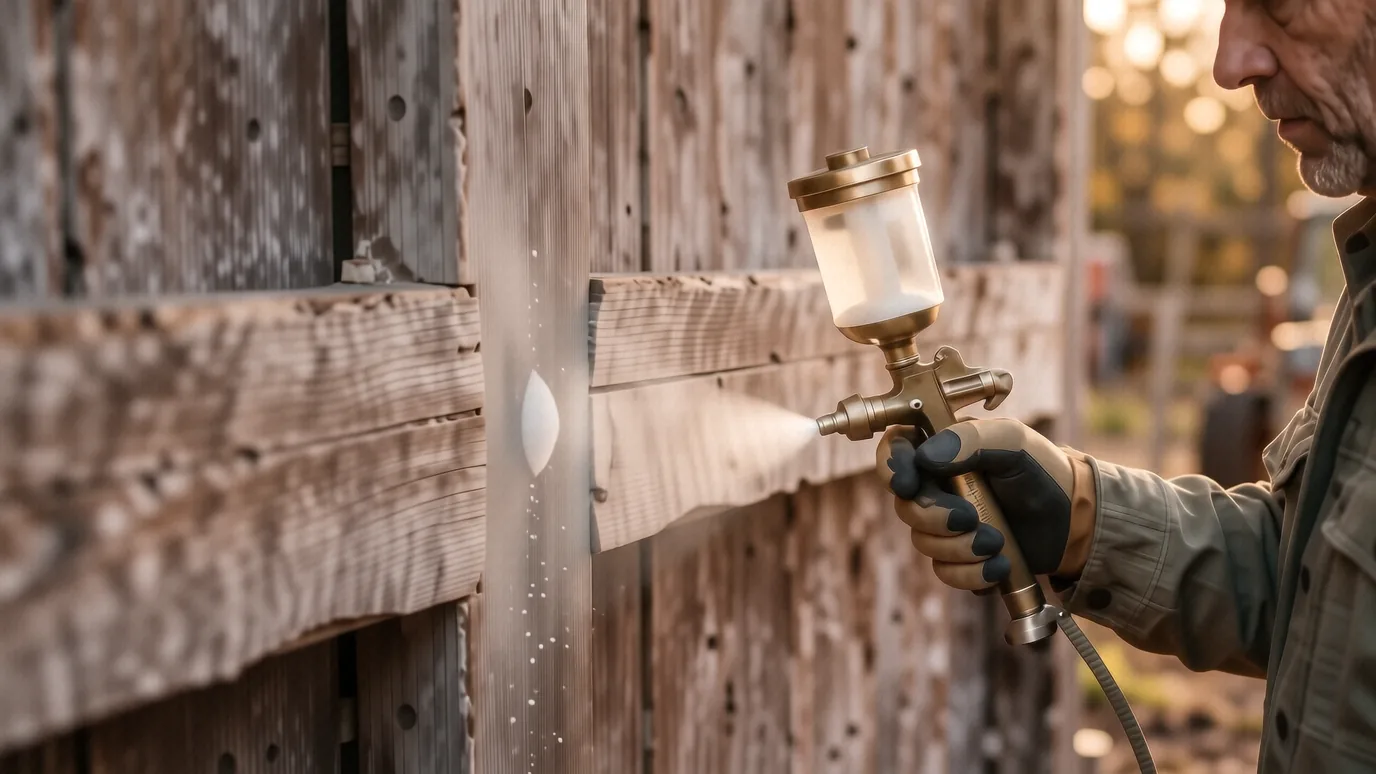
Rodents will chew standard polyurethane spray foam.
Most residential and agricultural spray foams are easy targets for rats and mice. These pests seek nesting material and entry points through your building envelope. While foam fills gaps, it does not stop a rodent from gnawing right through the core.
You need a physical barrier.
Why traditional spray foam fails in barns
Standard polyurethane products often have low density. Mice can chew through these materials because they lack structural resistance. A mouse can clear a hole in soft foam in minutes.
This vulnerability creates a cycle of infestation. Once a rodent finds a soft spot, it will expand the cavity to create a nest. This behavior compromises your thermal envelope and allows drafts to enter.
The Auburn University study showed that air leakage is a primary driver of energy loss. If rodents destroy your insulation, those energy savings vanish. You lose the 25-40% efficiency gains documented in broiler barn tests.
Standard foam is soft.
The difference between density and resistance
Density matters more than thickness when fighting pests. Many competing polyurethane products have a density well below 1 lb/ft³. Ag-Tite AireBarrier maintains a tested density of approximately 1.5 lb/ft³.
Higher density makes chewing harder. It does not make it impossible, but it changes the math for the pest. A rodent looking for an easy meal will often move to softer materials elsewhere.
Material composition is key. Most foams are petroleum-based and smell like a food source to certain pests. We use specific chemistries designed for agricultural environments where pest pressure is high.
Density provides a hurdle.
Testing for penetration and durability
We look at historical data from the University of Georgia. In a 2005 newsletter, researchers conducted darkling beetle penetration tests on various sealants. While beetles are smaller than rats, their ability to breach materials proves how easily pests exploit weak seals.
If a beetle can find a way through, a mouse certainly will. You must choose products that have survived rigorous testing. Ag-Tite is the only agricultural sealant tested to meet ASTM E-84 fire standards.
Fire safety and pest resistance go hand in hand. A material that burns easily or crumbles under pressure is useless for long-term protection. We build for durability.
Tests prove what works.
Practical steps to rodent-proof your facility
Don’t rely on foam alone. You should combine our Soy Bio Sealant with physical barriers like hardware cloth or metal flashing. Use the sealant to bridge the gaps behind the metal.
Seal the perimeter first. Focus on where utility lines enter the building and around floor joists. A 24 oz can of our sealant provides about 3,000 linear feet of a 1/4″ bead. This allows you to hit many small entry points quickly.
Check your work annually. Rodents are persistent. If they find a weak spot in your AireBarrier Black/White application, they will try again.
Maintenance prevents disasters.
Using the SprayPod 2.0 for large areas
Large scale sealing requires professional equipment. The portable SprayPod 2.0 allows contractors to apply consistent, high-density layers across massive poultry or swine barns. This consistency ensures there are no “soft spots” for rodents to exploit.
Manual caulking is too slow for big jobs. A single 16 lb canister of sealant is equivalent to roughly ten 24 oz cans. This volume makes it possible to seal entire wall cavities without stopping for refills.
Efficiency saves money. When you apply the product correctly, you create a monolithic barrier that resists both air and pests. This is how you protect your investment.
Use the right tools.
Funding your pest-proofing projects
Upgrading your insulation can be expensive. However, the USDA REAP grant offers up to 50% cost-share for energy efficiency improvements. This can include the materials and labor needed to seal your facility properly.
Watch the deadlines closely. Application windows typically close on March 31, June 30, and September 30. Planning your rodent-proofing around these dates maximizes your return on investment.
Apply early. Getting your documentation ready before the window opens ensures you don’t miss out on federal funds.
Check the USDA website for details.
FAQ
Will AireBarrier stop mice from entering my barn?
AireBarrier provides a high-density seal that is much harder to chew than standard polyurethane foam. However, we recommend using it in conjunction with metal flashing or hardware cloth for maximum pest protection.
How much coverage do I get per can?
A single 24 oz can yields approximately 3,000 linear feet of a 1/4″ bead. If you are using the larger 16 lb canisters, one canister is equivalent to about ten of the 24 oz cans.
Is this sealant safe for use in food-contact environments?
Our Soy Bio Sealant is designed with agricultural applications in mind. Always consult our technical data sheets for specific application guidelines regarding your specific livestock or crop environment.
Does sealing gaps actually save money on electricity?
Yes. The Auburn University study validated that properly sealed broiler barns saw energy savings between 25% and 40%. Reducing air infiltration directly lowers your heating and cooling costs.