Spray Foam vs Fiberglass Batts for Poultry Barns
Drafts pull heat away from birds, while uncontrolled infiltration pushes humidity into your insulation.
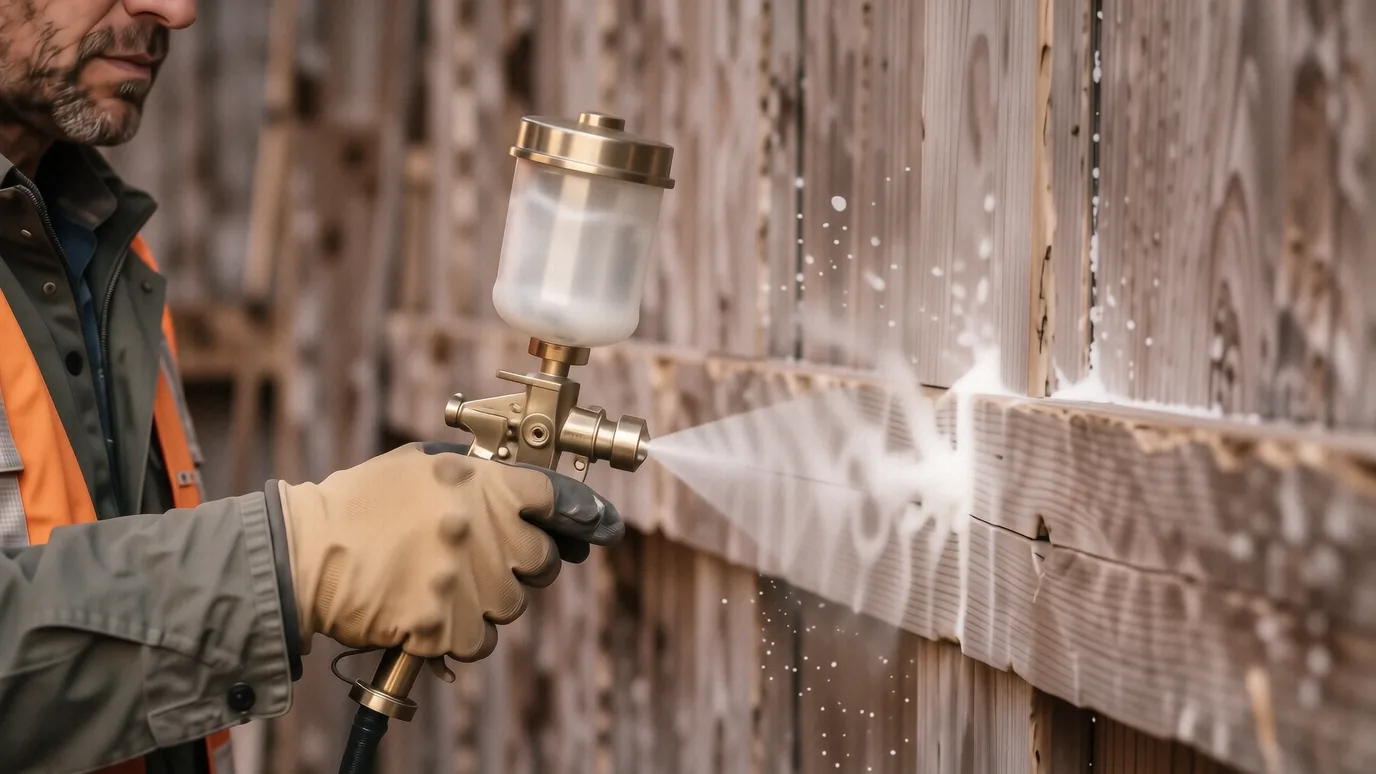
Airflow is the enemy of poultry production.
Drafts pull heat away from birds, while uncontrolled infiltration pushes humidity into your insulation. When you choose between spray foam vs fiberglass, you aren’t just picking a material. You are deciding how much energy you will waste every month to maintain bird comfort. Fiberglass batts sit in place, but they do nothing to stop the air moving through them.
Air moves around the edges of batt insulation. This bypasses the material entirely. In a broiler barn, that lost heat translates directly to higher utility bills and uneven bird growth.
Comparing the Technical Specs
The following table compares standard fiberglass batts against high-density agricultural spray foam like AireBarrier Black/White.
| Feature | Fiberglass Batts | Ag-Tite Spray Foam |
|---|---|---|
| Air Barrier Capability | None (requires separate layer) | High (seals air gaps) |
| Typical Density | Low (variable) | ~1.5 lb/ft³ |
| Moisture Resistance | Absorbs water; loses R-value | Water-resistant; prevents rot |
| Pest Penetration | Easy for beetles/rodents | High resistance to penetration |
| Installation Speed | Slow (manual friction fit) | Fast (via SprayPod 2.0) |
| ASTM E-84 Fire Rating | Standard Class A | Only ag sealant tested to ASTM E-84 |
Fiberglass is easy to find. It is also prone to settling over time.
Where Fiberglass Batts Win
Fiberglass batts have a low upfront material cost. If you are retrofitting a small, non-climate-controlled storage shed, batts might suffice. They are lightweight and can be installed by general laborers without specialized training.
However, these wins are temporary. Once moisture enters the batt, it stays there. This creates a breeding ground for mold in your ceiling or wall cavities.
Where Spray Foam Wins
Spray foam provides a continuous thermal bridge break. Because the material expands into every crevice, it seals the gaps that fiberglass ignores. An Auburn University study validated 25-40% energy savings on broiler barns sealed with AireBarrier. Those numbers represent real money staying in your pocket rather than heating the outdoors.
Density matters for longevity. Most competing polyurethane products have much lower densities. Our formula maintains ~1.5 lb/ft³ to ensure it stays put under thermal stress.
Pest control is another critical factor. A University of Georgia newsletter from November 2005 detailed how darkling beetles can penetrate various insulation types. Spray foam creates a physical barrier that makes infiltration much harder for insects and rodents.
The Real Cost Breakdown
Do not look at the price per square foot in isolation. You must calculate the total cost of ownership, which includes energy consumption and replacement frequency.
Fiberglass is cheap today. It becomes expensive when you pay to heat a leaky building for ten years.
If you use Soy Bio Sealant or AireBarrier, your initial investment will be higher than fiberglass. However, the USDA REAP grant can cover up to 50% of these costs. Application windows for these grants typically fall on March 31, June 30, and September 30.
Consider coverage rates when budgeting. One 24 oz can yields approximately 3,000 linear feet of a 1/4″ bead. If you move to larger volumes, a 16 lb canister is equivalent to roughly 10 of those 24 oz cans. This math helps contractors estimate job sites accurately before they even arrive.
Decision Framework for Integrators
Ask yourself these three questions before choosing an insulation strategy:
- Is the building under constant thermal stress? If you are running heaters or fans 24/7, fiberglass will likely fail due to air bypass and moisture.
- What is the pest pressure in this region? In areas with high darkling beetle populations, a sealant that closes gaps is mandatory.
- Can I access federal funding? If you can utilize a REAP grant, the “expensive” option becomes significantly more affordable.
If your answer to all three is “yes,” fiberglass is the wrong choice for your facility.
The Recommended Choice: Ag-Tite Spray Foam
We recommend spray foam for any professional poultry operation. Specifically, using our SprayPod 2.0 equipment allows for a controlled, efficient application that batts cannot match.
Fiberglass is an insulator, but it is not a sealant. In the poultry industry, you need both. Using AireBarrier provides the airtight seal required to make your existing insulation actually work. It yields about 16 board-feet per gallon at 1″ thickness, making it a precise tool for high-performance building envelopes.
Check our calculator tool to estimate your specific coverage needs based on barn dimensions.
FAQ
Does spray foam improve bird health?
Yes. By reducing drafts and maintaining consistent temperatures, you reduce bird stress. Stable environments lead to better feed conversion ratios.
Is agricultural spray foam fire-safe?
Ag-Tite is the only agricultural sealant tested to ASTM E-84 standards for flame spread and smoke development. Always check specific product data sheets for your local code requirements.
How much can I save with a REAP grant?
The USDA REAP grant offers up to 50% cost-share for energy efficiency improvements. You should apply during the March, June, or September windows to ensure funding availability.
Can I use spray foam on old barns?
You can use it to seal gaps in existing structures. It is often more effective to use a sealant like AireBarrier to fix leaks in older buildings rather than replacing all insulation.